A heritage of giving
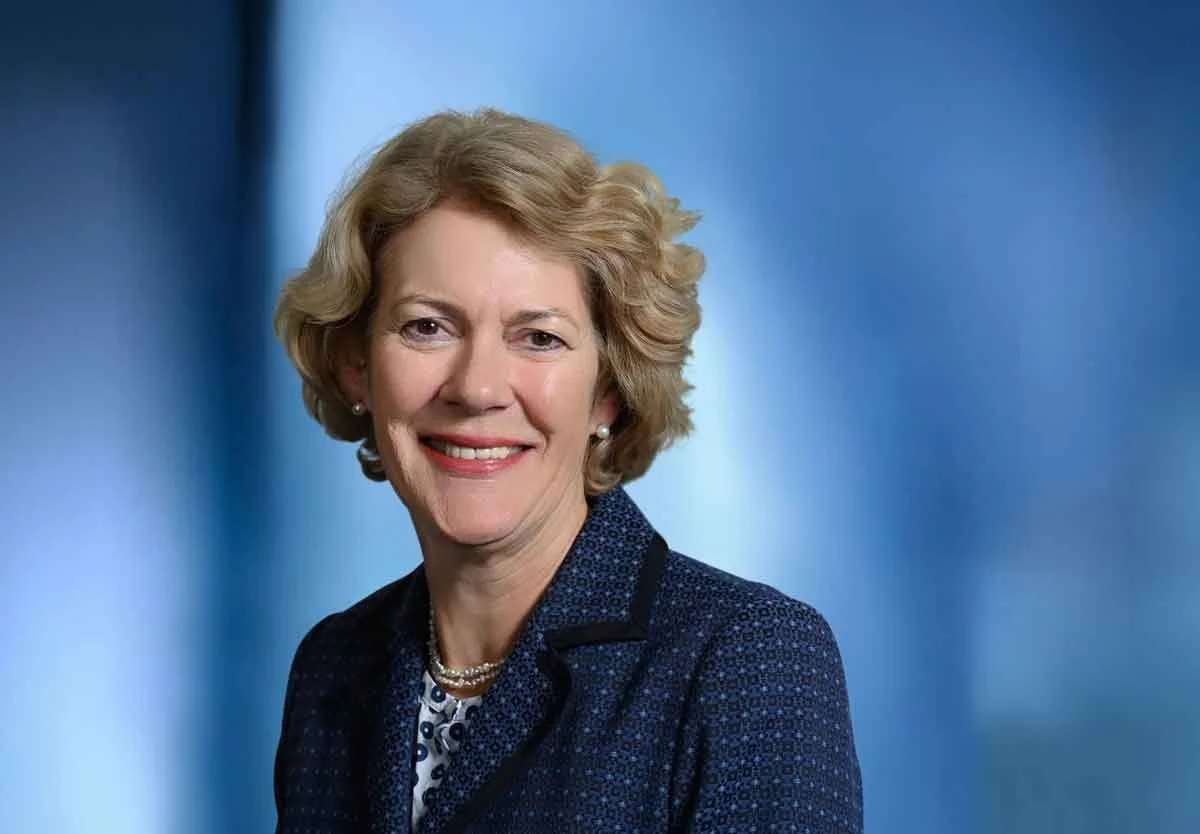
Fiona Archer, Financial Advisor and Philanthropist
Fiona Archer is proud of her heritage as a member of a sixth-generation Tasmanian farming family. She believes her upbringing helped set the foundations for her distinguished career in finance and philanthropy.
She tells a story about her great-great grandfather, who owned a Tasmanian bank, where a business partner stole some of its funds in the banking crisis of the 1890s: “I always remember my father telling me that my great-great-grandfather said, ‘I will repay every penny to every depositor’. My father said your word is your bond. We have a role to play. We must always be honest and contribute. We must contribute in society.”
Fiona Archer has spent 30 years in the finance industry, starting in stockbroking in Melbourne, New York, London and Sydney, then moving into investment banking, joining UBS in 1998 as a financial advisor specialising in high-net-worth individuals and families.
She joined JB Were in 2009, working with families to provide advisory services across all facets of their investment management and inter-generational wealth transfer, and advising NGOs and not-for-profit boards on investment strategies and governance.
“if you want your business to be multi-generational and to be here in 100 years’ time or 185 years like we are at JB Were, you need to be talking philanthropy…”
She is a director of the Sisters of Charity Foundation, the Woolmers Foundation and the Queens Club and coordinates the Eastern Sydney Zone Red Shield Appeal.
She spoke to Generous You about the importance of philanthropic advice in sustainable financial advice practices.
“At JB Were we have a philanthropic services team. So we can say we'll introduce you to our team and have a conversation. But many firms that also do wealth advisory may not have that backup to refer to.”
Fiona firmly believes that financial advisors must include philanthropic services in their client offerings or risk missing out on the forthcoming inter-generational wealth transfer.
“I would say if you want to have longevity in your business, if you want your business to be multi-generational and to be here in 100 years’ time or 185 years like we are at JB Were, you need to be talking philanthropy because we are about to have the greatest transfer of wealth in the history of mankind, around $36 trillion which is going to transfer from the baby boomer generation to the next generation.”
She points to an irresistible logic underpinning this approach:
“Governments of the world already cannot fund the needs of society. So that next generation is going to be asked to give more. They're going to want to give more. And as an advisor you need to understand that space because otherwise they will look elsewhere.”
“You start talking about which causes and societal problems the individuals might be passionate about and then discuss how they could get involved in them.”
Drawing on her experience in dealing with families and family offices, Fiona suggests that advisors should try to learn to understand the backstories of the families and the individuals within them. She sees this as an essential prerequisite to considering philanthropic options for them.
“You start talking about which causes and societal problems the individuals might be passionate about and then discuss how they could get involved in them.
“Donations could be time or money or both. Then the discussions lead to considerations of the inter-generational transfer and how the principals bring their kids into it, whether they should be setting up a portfolio or a foundation and how they can teach the kids about managing and investing money.”
Fiona believes this approach will act as a pathway to introduce these heirs to their communities and help them to understand how their family can contribute to it. It also allows the advisor-client relationship to flourish.
“This way an advisor has cemented their relationship with two generations, separately to managing the main investment portfolios. Immediately, you're having far different conversations with them.
“It's knowing the questions to ask, then providing some solutions. That's a first step. We all know that if someone helps us out and gives us a good referral, we're always appreciative of it. We'll always keep in touch with that person. And as an advisor, you would, of course, then keep in touch with them and keep the conversation flowing.
“I think the most important thing I've learned is that if you can change one person's life, just one, and that person then changes another life, then it’s all worth it. A little can go a long way.”