The case for embedding philanthropy in financial advice
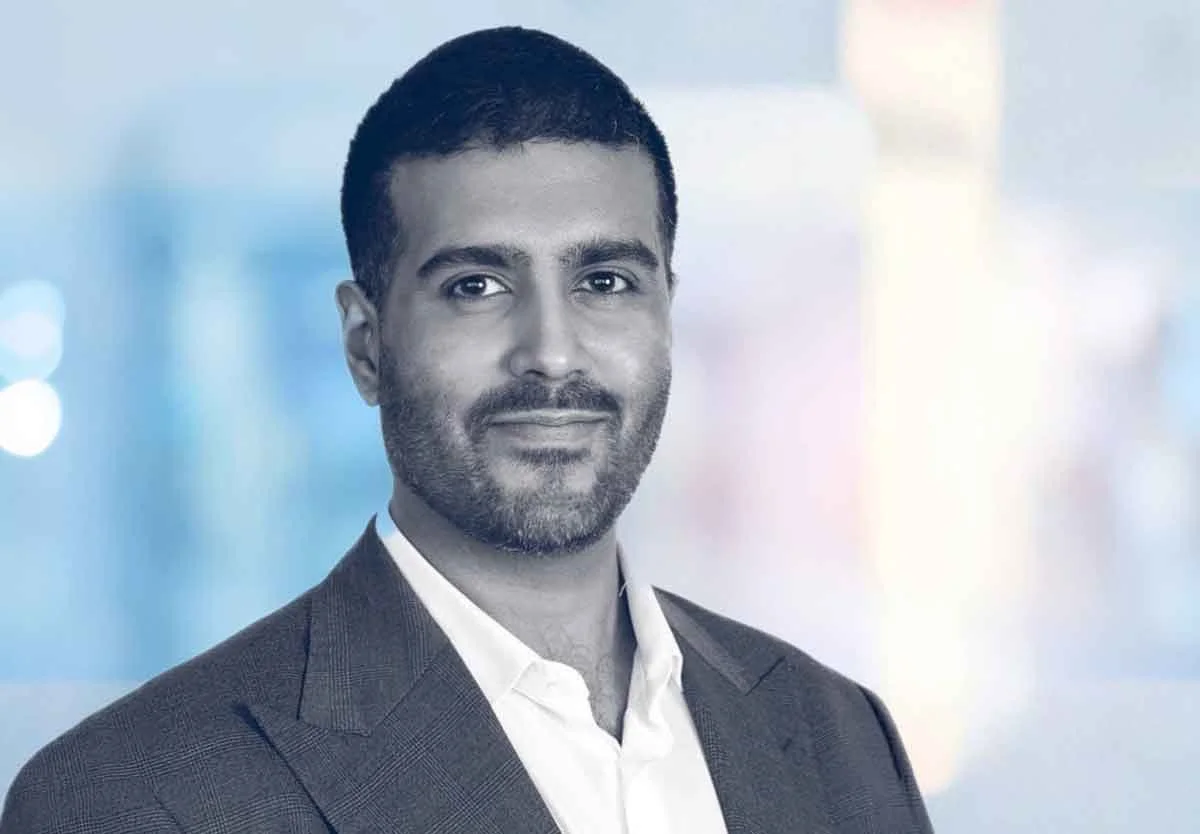
Sabil Chowdhury, Adviser & Partner Koda Capital
In an era defined by unprecedented wealth creation and the dawn of the greatest inter-generational wealth transfer in history, financial advice is undergoing a quiet but profound shift.
Increasingly, clients are not only asking how to grow and protect their wealth but how to use it meaningfully.
Sabil Chowdhury, Adviser and Partner at Koda Capital, believes financial advisers should view this move toward philanthropy as neither a product, nor a transaction, but as a conversation grounded in values, curiosity and trust. Indeed, he points out, that Koda has embedded philanthropy as a core pillar of its business model since its inception and has never viewed it as an add-on service.
Sabil’s personal perspective is rooted in lived experience, having migrated to Australia from Bangladesh as a child. His early exposure to inequality shaped a lifelong inclination toward giving.
“And that’s how I probably started my philanthropy journey, all the way back, from contributing via World Vision sponsoring a child, to now.”
“I saw some things back in that country, in terms of people who weren't as fortunate or had the same opportunities I’ve had. I guess I've always had an inkling to do something to give back to those people. And that's how I probably started my philanthropy journey, all the way back, from contributing via World Vision sponsoring a child, to now.”
For Sabil, what began with simple acts with World Vision, has evolved into a sophisticated professional philosophy that integrates philanthropy into client advice. Yet he is quick to point out that this evolution was not linear.
“It's really come more from, I guess, internal and family values more than anything. In my world of services and advice there's been a lot of avenues and opportunities to get involved.”
Sabil believes this distinction is critical. He’s convinced that philanthropy cannot be ‘sold’ into advice. Rather, it should be uncovered in discussions with clients. And that occurs when you ask better questions.
“One of the questions I would ask is what's important to them, right? It's a bit of an open-ended question but they give you lot of insight. Then, use those clues to dig around a bit more and ask more pertinent questions. That's usually how the conversations about philanthropy and structured giving come about.
“It's really having that care factor and curiosity to really get to know your client on a more intimate level. To try and solve problems that aren't necessarily just about financial metrics and investment returns, but ‘How else can we help?’
“There could be some type of assumption that: ‘Do I have the right to ask that question?’ Is it something that’s so deeply personal and maybe some people don’t want to seem to be intruding in people’s personal space a bit?”
“Asking those questions opens up the conversation and then I can say: ‘Have you thought about philanthropy or structured giving?’ And then that opens up the world to different strategies.”
Sabil suggests this approach because it addresses one of the most persistent barriers in his profession: discomfort. Many advisers hesitate to raise philanthropy with their clients, concerned that it’s perceived as too personal or outside their remit.
“There could be some type of assumption that: ‘Do I have the right to ask that question?’ Is it something that's so deeply personal and maybe some people don't want to seem to be intruding in people's personal space a bit?”
Above all, Sabil reframes philanthropy as a strategic discipline to be interwoven with other financial advice to expand an adviser’s toolkit, creating new avenues for value creation and differentiation.
“I feel it's a win-win-win. A win for the client, and, if they have genuine philanthropic intent, it's win for us because it's a really good opportunity to provide a different area of service or advice. And it's obviously a win for society in general in terms of communities and people who need help.”
This philosophy aligns closely with the broader industry challenge identified by Generous You: while client demand for values-aligned advice is rising, many professionals feel they lack the confidence, frameworks and practical tools to engage in structured giving conversations.
“Bringing something that is very important to our clients builds the relationship to a deeper level. And it’s a way to bring family members together and instil family values and to preserve those values.”
Sabil’s response is clear: advisers who fail to develop this capability risk both commercial and professional disadvantage.
“At Koda, we see it as a competitive edge, an opportunity to do more for our clients. We've got our own division called the Philanthropy and Social Capital Team that helps us with that type of work.
“Bringing something that is very important to our clients builds the relationship to a deeper level. We'd be missing a big opportunity to dismiss that. And it’s a way to bring family members together and instil family values and to preserve those values. Philanthropy has been a really great kind of enabler to have those connections between family members.”
Sabil believes that philanthropy can play a vital role in addressing the human side of the estimated $3.5 trillion expected to be transferred between generations in Australia by 2050. He warns that financial adviser ignore it at their peril.
“From a commercial perspective, objectively, first, I'd say they're going to be at a disadvantage relative to their peers who are educating themselves and investing in this area, especially with the coming intergenerational wealth transfer.
“Second, I personally think it's a great growth driver for the business to be able deepen existing relationships and to connect with the next generation.”